
It’s important to realize that everyone is different when it comes to expenditure – and, that there’s more to fitness than just burning off calories. This routine also focuses on strength, flexibility, balance, speed, agility, and cardiovascular endurance (both because of the high intensity intervals and because of how long the routine is). These are best used for their intended purpose (tracking heart rate) and any figures pertaining to expenditure should be taken with a grain of salt. Burning 1,000 calories in a single workout is a significant accomplishment that requires serious intensity and dedication. It’s not something you should aim for every day, but it’s a great goal to push your limits occasionally. The most effective workouts for this kind of calorie burn are the ones that challenge your entire body, combining cardiovascular endurance with strength training.
Combine Workouts for Better Results
Here are a few practical templates that show how bodyweight and intensity change the time to reach how to burn 1000 calories. For reference, a 160 pound person running at six miles per hour needs about seventy five to eighty minutes. That same person rowing hard or cycling at competitive speed might reach the target in about fifty to sixty minutes depending on intensity. A one hundred twenty pound person will need longer at the same pace. A two hundred pound person will reach the target more quickly under identical effort.
Day 2
High-volume, high-intensity workouts increase the risk of muscle strains, joint problems, and chronic fatigue. Without adequate recovery, your body may struggle to repair itself, leading to decreased performance and a higher likelihood of setbacks. It’s also possible to experience symptoms of burnout, such as insomnia, irritability, and loss of motivation, which can derail your progress and negatively impact your mental health. Furthermore, varying your workouts and pushing yourself outside of your comfort zone can help challenge the body and prevent stagnation in progress. Remember to always listen to your body and make adjustments as necessary. 1,000 calories burned isn’t a requirement for a good workout.
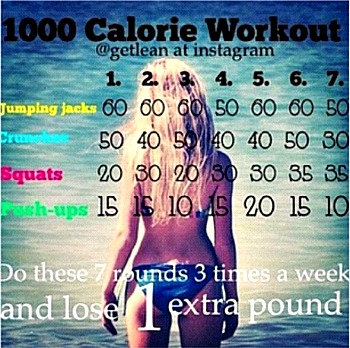
Doing Intensive Exercise

Fitness level, running economy, terrain, heat, and fatigue change the real number. Use MET math for planning, and use real-world feedback from your heart rate, pace, and perceived exertion to adjust on the day. One non-prescription option that many people combine with sensible training is Motus by Tonum. Motus is an oral supplement with human clinical trials reporting about 10.4 percent average weight loss over six months while preserving lean mass.
Ways to Burn Fat and Keep it Off for Good
The average person would have to do HIIT for 89.96 minutes to burn 1,000 calories. Learn how to burn 1000 calories a day by combining activities such as walking one mile at a moderate pace, light strength training, and stretching. These routines are intense and should not be done more than 3 times per week (maximum). Your body needs time to recover from HIIT and strength training workouts; more is not always better, so be mindful of not overdoing it in terms of frequency with this advanced workout videos.
- It’s also important to warm up properly before you start any intense workout.
- After a big session prioritize protein and carbohydrate to support repair.
- Make modifications to adjust for your fitness level, your body, and what you need today.
- Every person has different fitness levels and preferences, so it’s important to find the right workout for you.
- If you burn an extra 1,000 calories through exercise each day but consume an extra 1,000 calories, your weight will stay the same.
- However, these workouts are demanding and require proper technique, so it’s essential to prioritize form and listen to your body to avoid injury.
How long does it take to burn 1000 calories?
Just make sure that you always include a warm up and cool down. Another thing that can help lower stress levels is a good workout. Heads up though, stress can impact both energy and motivation levels.
High-Intensity Interval Training (HIIT)
Consult a trainer and nutritionist to ensure this goal aligns with your fitness level. Overdoing it without proper planning can lead to injuries or exhaustion. Remember to push yourself, but to listen to your body and feel free to stop and take extra breaks if and when you really need them. Sometimes even stopping for a few seconds can give you the extra energy you need to push through the end of an active interval.
Safety, recovery and how to avoid breaking down
Running above about 7.5 to 8 miles per hour or cycling at fast road speeds pushes hourly calorie burn toward the 900 to 1200 calorie window for many people. These sessions are shorter but much more taxing on joints, tendons, and the nervous system. Before diving into specific workouts, remember that sustainable progress usually comes from consistent habits and well-paced progression.
This can be difficult for some people, particularly those who are just starting on their fitness journeys. It’s important to listen unimeal reviews consumer reports to your body and not push yourself too hard, as this can lead to injury or burnout. They vary due to factors like age, weight, walking speed, and fitness level.
Here are some science-backed, calorie-torching workouts to help you hit the 1000-calorie mark safely.
A well-structured HIIT session is the foundation of an effective, high-calorie-burn routine. While the idea of torching 1,000 calories in a single workout sounds amazing, trying to do it every day is not a sustainable or realistic goal for most people. Pushing your body that hard daily can lead to exhaustion, overtraining, and potential injuries, especially if you’re just starting your fitness journey. It’s much healthier to think of a 1000-calorie workout as a once-in-a-while challenge or a weekly peak session. Achieving this requires a strategic mix of strength and cardio to push your body’s energy expenditure to its peak.
Attempting to burn 1000 calories a day without proper planning can lead to injuries. Let’s explore how to achieve this milestone with the right strategies and exercises. Here is a simple, conservative plan to try if your goal is how to burn 1000 calories in a session. Week one, pick an activity you enjoy and estimate calories per minute using MET values or your device. Work at a sustainable pace and aim for 60 to 75 minutes of steady work if your estimated hourly burn sits near 800 calories. Week two, increase time by ten to twenty percent if you feel recovered.
Workouts That Burn 1,000 Calories
You can also split your activity into two shorter workouts—one in the morning and one in the evening—to reach your goals without blocking off a huge chunk of your day. It’s important to take the data from fitness trackers with a grain of salt. While they are fantastic for tracking trends, their calorie burn estimates aren’t always perfectly accurate. Factors like your metabolism, body composition, and even how snugly you wear the device can affect the numbers.